
Things to Do in Brno in September
September weather, activities, events & insider tips
Low Season · Budget Friendly
September Weather in Brno
Long-run averages for September
68°F (20°C)
High Temp
51°F (10°C)
Low Temp
2.0 inches (51 mm)
Rainfall
72%
Humidity
6
Rainy Days
4
Sunny-Day UV
⚠ Expect early morning fog in the river valleys around Brno in September, on the drive north to the Moravian Karst. Visibility can drop below 200 m (656 ft) before burning off by mid-morning. If you are driving, leave extra time and expect slow conditions on the smaller roads. Patience required.
Is September Right for You?
Weigh the advantages and considerations before booking
Advantages
- + September is wine harvest season across South Moravia, and Brno sits at its center. The vinobraní festivals transform villages within a thirty-minute drive into open-air wine celebrations, and the city's own wine bars pour the year's first burčák, a cloudy, still-fermenting young wine that tastes like fizzy grape juice with a kick. You cannot get burčák any other time of year, and you cannot get it outside Czechia. This alone is reason enough to come in September.
- + The temperature swing between 10°C (51°F) mornings and 20°C (68°F) afternoons creates ideal walking weather. Brno is a city best understood on foot, from the cobblestones of Zelný trh up the hill to the Cathedral of Saints Peter and Paul, and September lets you cover 15 km (9.3 miles) in a day without the July heat or December ice that makes those same gradients miserable.
- + Brno's university population, nearly 90,000 students at Masaryk University and the technical universities combined, floods back in late September. The city shifts overnight from a quieter summer pace to a livelier one. Bars around Jakubské náměstí fill up, the cultural calendar at Janáček Theatre and HaDivadlo picks up, and the neighborhoods around Veveří street hum with the particular energy of a city that is, a university town.
- + September is your last chance for the Moravian Karst cave tours until April. The boat ride through the Punkva Caves beneath the Macocha Abyss, a 138 m (453 ft) limestone gorge, operates only from April through September. Come in October and you will find the gates locked.
Considerations
- − Evenings cool down noticeably. By 7 PM, temperatures can drop to 12-13°C (54-55°F), and by midnight you are firmly in jacket weather. If your idea of a good evening involves sitting outside at one of the courtyard wine bars on Dvořákova street, you will want a proper layer, not just the T-shirt that was fine at 2 PM.
- − The wine harvest festivals, Znojemské vinobraní, draw significant regional crowds. South Moravians take their wine seriously, and the major festival weekends can make accommodation in the smaller wine towns difficult to find. Book your base in Brno itself and travel out to the festivals by bus or train.
- − Daylight contracts through the month. Early September still gives you light past 7:30 PM, but by month's end sunset drops to around 6:45 PM. This matters if you are planning to photograph the city from the Špilberk Castle ramparts or catch the light on the functionalist villas in the Černá Pole district.
Best Activities in September
Top things to do during your visit
Brno in September settles into an unhurried rhythm that feels distinctly local. The summer crowds that fill Prague never quite reach Moravia's capital in the first place, and by September even the modest tourist traffic thins further. Daytime highs hover around 20°C, warm enough for long walks through the sloping streets below Špilberk Castle without the sticky heat of July or August. Mornings can start cool. Lows dip to about 10°C, so the café terraces along Zelný trh fill later than in summer. Locals arrive mid-morning with jackets draped over chair backs, the smell of fresh trdelník and roasted coffee drifting across the cabbage-head market stalls. Rainfall is moderate, roughly 51 mm spread across the month, often arriving as brief afternoon showers that leave the sandstone facades of the old town darker and glossier for an hour before the sun returns. What makes September in Brno distinct is the shift in atmosphere. University students flood back into the city. Brno is home to over 60,000 of them, and the energy in neighborhoods like Veveří and around the Mendel University campus changes overnight. Bars that were half-empty in August suddenly have queues. The craft beer spots along Jakubská ulice fill with Czech and Slovak voices debating over pale lagers and IPAs. The city's food scene, anchored in Moravian wine culture and a generation of young chefs who stayed instead of decamping to Prague, is at a seasonal sweet spot. Late-harvest vegetables, new-vintage burčák (partially fermented young wine sold from temporary stalls), and the first proper root-vegetable soups of autumn start appearing on menus. Walking along the Svratka River in the late afternoon, the light turns golden earlier than it did a month ago, catching the brutalist angles of the Janáček Theatre and the art-nouveau ironwork on the Petrov hill railings. Brno rewards travelers who eat well, walk slowly, and pay attention to what sits beneath the surface, sometimes. The city's network of underground spaces, its position as a way into the Moravian Karst, and its layered twentieth-century history (Functionalist architecture, wartime bunkers, Communist-era infrastructure) all benefit from a season when the weather cooperates but the pace has slowed. Whether you are tracing the sandstone corridors under the old town, standing on the lip of the Macocha Abyss with cool air rising from the gorge below, or sitting in a courtyard restaurant where the kitchen smells of smoked paprika and duck fat, September in Brno delivers a version of Central Europe that feels unperformed and lived-in.

Skip the Line: 10-Z Bunker Entrance Ticket in Brno
skip_lineThe 10-Z Bunker sits beneath the Husova street area in Brno's old town, a Cold War nuclear shelter built in the 1950s to protect up to 500 people from atomic attack. Descending the narrow concrete staircase, the air turns noticeably cooler and carries a faint mineral dampness, the walls lined with original ventilation machinery, gas-filtration units, and decontamination showers still in working order. The skip-the-line ticket matters here because the bunker's corridors are tight. Groups are staggered, and arriving without a reservation on a weekend can mean a wait of forty minutes or more in the street above.
One of the best-preserved civilian nuclear shelters in Central Europe, with original Cold War equipment still in place and the claustrophobic scale to make the threat feel real.
Insider tip: Visit on a weekday morning when groups are smallest. The bunker stays a constant cool temperature year-round, so bring a layer even on a warm September afternoon. The contrast when you step back into the sunlight is striking.

PUNKVA CAVES, ABYSS and PERNSTEJN CASTLE =only from Apr to Sep
otherThis full-day excursion north of Brno combines two of the Moravian Karst's most dramatic sites with the medieval fortress of Pernštejn, and it runs only from April through September, making this one of your last chances in the calendar year to book it. The Punkva Caves begin with a walk through dripping limestone galleries where stalactites hang in pale, mineral-crusted curtains, then transition to an underground boat ride along the Punkva River, the surface of the water black and well still until the guide's lamp catches the reflection of the cave ceiling above. At the Macocha Abyss, you stand on a platform 138 meters above the gorge floor and feel the updraft of cold, wet air against your face. The depth is vertiginous. Pernštejn Castle, reached by a short drive through rolling South Moravian countryside, is one of the least-altered Gothic castles in Czechia, its stone walls still carrying the smoky patina of centuries.
The only tour that pairs the underground river and the deepest gorge in the Czech karst system with a Gothic castle that has never been destroyed or heavily restored, three distinct experiences in a single day.
Insider tip: Wear shoes with real grip. The walkways inside the Punkva Caves are slick with condensation, and the descent to the Macocha viewing platform involves metal stairs that can be slippery. Bring a fleece. The caves sit at a constant 8°C regardless of the September warmth above ground.
This month: September is the final month of the season for this tour. The caves and castle access close to group visits after September, so this is the last window until the following April.

Brno Food Tasting Tour of Hidden Gems for Small Groups
foodBrno's food scene is concentrated in a compact old-town grid where Moravian wine bars, Vietnamese pho kitchens, and farm-to-table Czech restaurants sit shoulder to shoulder, and this small-group tasting tour threads through the less obvious stops. Expect to try lokše (warm potato flatbread, slightly chewy, served with smoked meat or plum jam), sample Moravian wines in a barrel-vaulted cellar where the stone walls sweat faintly in the cool air, and stand at a counter eating utopenec, pickled sausage with raw onion, the vinegar sharp enough to make your eyes water. The guides are local, opinionated about which neighborhood bakery does the best koláče, and willing to detour if something interesting is happening at a market stall.
The fastest way to understand Brno's food identity, rooted in Moravian wine, Central European charcuterie, and a young restaurant scene that borrows from Vienna and Bratislava without copying either.
Insider tip: Eat lightly before the tour. The portions are generous and the tastings are real meals, not decorative bites. If you want to continue eating afterward, ask your guide for their personal pick. The recommendations off-script tend to be better than anything printed on the tour materials.

3 Hour Private Tour with a Local Guide in Brno
private_tourA three-hour private walk through Brno with a local guide strips away the map-and-monument approach and replaces it with context. Why the astronomical clock on náměstí Svobody is deliberately ugly (a post-2010 civic controversy that still irritates locals), how the functionalist Villa Tugendhat changed European architecture, and where the city's identity as a Moravian counterweight to Prague shows up in daily life. The route bends to your interests. History-focused walks tend to climb Petrov hill to the Cathedral of Saints Peter and Paul, where the noon bells ring at 11 a.m. (a siege-era trick that stuck), while food-and-culture routes weave through the backstreets south of Zelný trh, past courtyard wine bars and the brutalist Janáček Theatre. The guide adjusts pace and depth to the group, and with a private booking you are not waiting for strangers to finish photographing doorways.
The most efficient way to decode Brno's layered history and contemporary culture in a single morning or afternoon, shaped entirely around what you want to understand.
Insider tip: Request the Špilberk Castle and casemates route if your guide offers it. The fortress casemates are unsettling (used as a Habsburg political prison, the darkness and cold still palpable), and most first-time visitors skip them in favor of the cathedral.

Half Day Tour to the Macocha Abyss and The Punkva Caves
guided_experienceThis half-day version of the Moravian Karst excursion focuses tightly on the two geological highlights north of Brno: the Punkva Caves and the Macocha Abyss. Without the castle component, the pace is less rushed. You have more time underground, more time at the gorge rim, and the drive through the karst landscape between stops lets you see the beech and hornbeam forests that blanket the plateau, their canopy just starting to turn from green to copper in late September. Inside the caves, the boat ride along the subterranean Punkva River is the centerpiece. The guide cuts the electric lamp at one point, and in the total darkness the only sound is water dripping from limestone formations overhead and the faint echo of the hull touching rock. At the Macocha Abyss, the upper viewing platform gives you a straight-down view into the 138-meter chasm. The lower platform, reached by a cable car, puts you at the base looking up, where the circle of sky above feels impossibly distant.
The most dramatic natural landscape within day-trip range of Brno, an underground river, a boat ride in total darkness, and the deepest gorge in the Czech karst, all in half a day.
Insider tip: The lower viewing platform at the Macocha Abyss is less visited than the upper one. Budget an extra twenty minutes to take the cable car down, where the gorge feels more immense and the sound of falling water echoes off the walls.
This month: Like the full-day tour, this half-day version operates only from April through September. Late September departures are the final window before the caves close to group tours for the winter season.

Trip to the Austerlitz Battlefield near BRNO in the Czech Republic
otherThe battlefield of Austerlitz, Slavkov u Brna in Czech, lies roughly twenty kilometers east of Brno, a rolling landscape of farmland and low hills that on a September morning looks almost pastoral, the stubble fields gold under diffused light, the silence broken only by wind and distant church bells. It is one of the most consequential battlefields in European history. Napoleon's 1805 victory here effectively ended the Holy Roman Empire and redrew the map of the continent. The tour brings you to the Pratzen Heights, the tactical pivot of the battle, where a memorial cairn and an ossuary sit on the ridgeline. The guide walks you through troop movements using the actual terrain, pointing to the frozen ponds where the retreating Russian and Austrian soldiers drowned, the slopes where the French infantry advanced, and the scale of the slaughter becomes concrete in a way that reading about it never achieves. The peace memorial chapel at the site smells of old stone and beeswax, its walls lined with the names of fallen officers.
One of Europe's most important Napoleonic battlefields, made legible by a guide who uses the terrain itself, the ridgelines, the ponds, the sight lines, to reconstruct the battle in a way no museum can.
Insider tip: Ask the guide to include the Slavkov Castle (Austerlitz Palace) if time allows. Napoleon headquartered there after the battle, and the baroque interiors have been restored with period furnishings that give you a sense of the diplomatic aftermath. Wear sturdy shoes. The Pratzen Heights walk crosses uneven ground and farm tracks.
Where to Stay in Brno in September
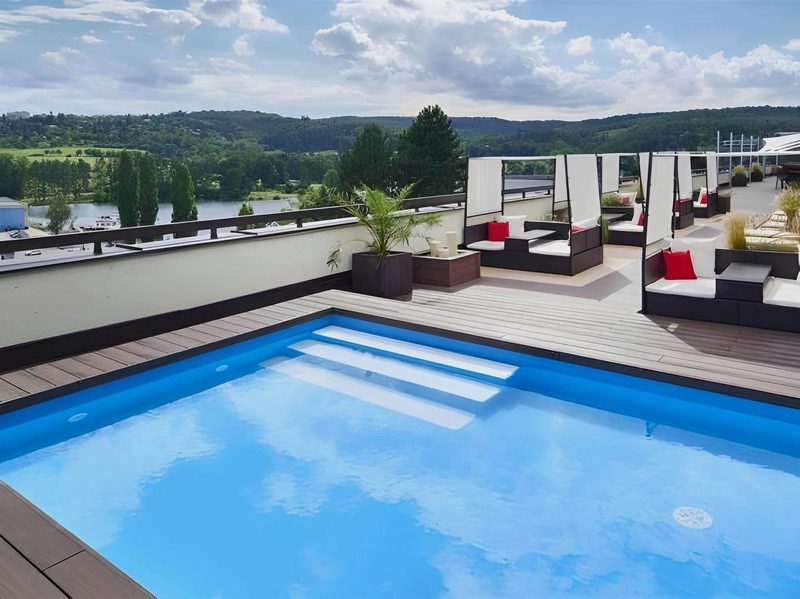
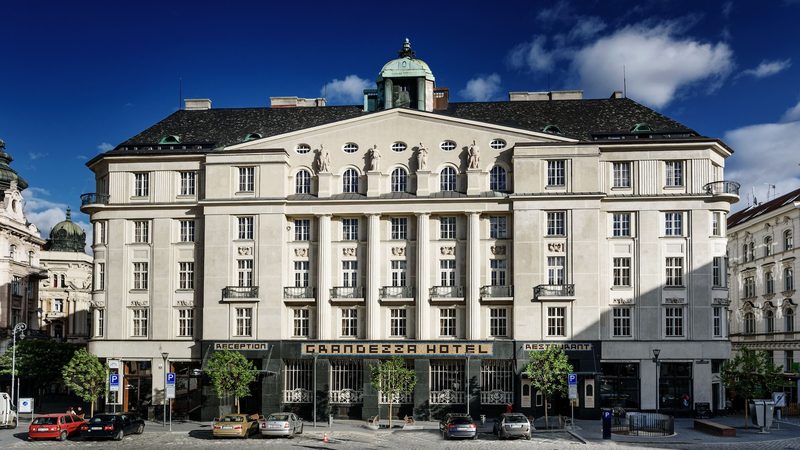
Hand-picked hotels across price tiers for September travellers.
Public Holidays in September
Dates that affect opening hours, transport and crowds
Den české státnosti
Known in English as St. Wenceslas Day. Observed nationwide as a public holiday.
Den české státnosti
Known in English as St. Wenceslas Day. Observed nationwide as a public holiday.
Packing Checklist
Bookmark this page — your progress is saved between visits
Need the full list with shopping links?
Climate-specific gear, brand recommendations, and what to leave at home.
View Brno Packing List →Essential Tips
Insider knowledge and common pitfalls to avoid
Insider Knowledge
The crocodile hanging in the passageway of the Old Town Hall is Brno's strangest landmark and its oldest joke. Locals call it the Brno Dragon, a stuffed Amazonian caiman gifted to the city in 1608, and every child in Brno grows up being told it is a real dragon. It hangs above a wooden wheel that, legend says, was rolled to Brno from Lednice in a single day as a bet. Neither story is true in the way they are told. But both are true in the way Brno tells stories: deadpan, slightly absurd, and delivered with the particular dry humor that separates this city from Prague's more performative charm.
Brno is one of the safest cities in Central Europe, and September's low tourist density makes it feel even calmer. Pickpocketing is rare outside of crowded tram stops, and the worst thing likely to happen to you is overpaying for coffee on náměstí Svobody, the main square, where the terrace markup is steep. Walk one block in any direction and the same espresso costs a fraction of the price.
The noon cannon at the Cathedral of Saints Peter and Paul rings at 11 AM, not noon. The story goes that during the Thirty Years War, Swedish besiegers agreed to leave if they had not taken the city by noon, so the Brno bell-ringer rang the bells an hour early. The Swedes left. Brno has rung its noon bell at 11 ever since, and it remains the most stubborn act of municipal trolling in European history.
Skip the tourist trams and walk. Brno's historic center is compact enough that you can cross it in twenty minutes, and the best details, the Art Nouveau facades on Česká street, the brutalist concrete of the Hotel International, the tiny wine bars tucked into medieval cellars, only reveal themselves at walking pace. The tram is useful for reaching Černá Pole and Villa Tugendhat. But within the old center it is slower than your feet.
Avoid These Mistakes
Avoid treating Brno as a Prague day trip. The train takes under three hours, which tempts travelers into a rushed six-hour visit that covers the castle, the square, and nothing else. Brno needs at least two full days to understand, and three if you want to reach the Moravian Karst or wine country. The city reveals itself in its side streets and evening wine bars, not its headline monuments.
Do not delay booking Villa Tugendhat. This is the single most popular cultural site in Brno, and September tours sell out weeks in advance. Showing up and hoping for a walk-in spot is a gamble you will almost certainly lose. Book the moment your travel dates are fixed.
Do not ignore the wine. Travelers who associate Czechia only with beer miss that South Moravia is serious wine country, and September is the one month when the harvest makes that impossible to overlook. Asking for beer at a Moravian wine bar is not offensive. But it is like ordering tea at a Bordeaux château: you are missing the point of where you are.
Ready to plan your trip to Brno?
Now that you've got the research covered, here's where to go next.
Explore More Activities in Brno
Didn't see anything interesting yet?
Browse Viator's full catalog of tours, day trips, food experiences, and private guides in Brno.
See All Brno Tours on Viator