Things to Do in Brno
Moravian wine cellars below, functionalist villas above, tram bells in between.
Top Things to Do in Brno
Find activities and tours you'll actually want to do. Book through our partners -- no booking fees.


Plan Your Trip
Essential guides for timing and budgeting
Climate Guide
Best times to visit based on weather and events
View guide →Day Trips
The best excursions and nearby destinations worth the journey
Explore day trips →Where to Stay
Best neighbourhoods, hotel picks, and booking tips
Find hotels →Travel Insurance
What's required, what coverage matters, and how to get a quote
Read guide →What to Pack
Climate-specific gear, essentials, and what to leave at home
See packing list →When Should You Visit Brno?
Tap a month for weather, crowds, and highlights
View full year-round climate guide →Explore Brno
Brno Exhibition Centre
City
Brno Observatory And Planetarium
City
Brno Reservoir
City
Brno Technical Museum
City
Brno Underground
City
Cabbage Market Zelny Trh
City

Cathedral Of St Peter And Paul
City
Freedom Square Namesti Svobody
City
Janacek Theatre
City
Luzanky Park
City
Mendel Museum
City
Moravian Gallery
City
Moravian Museum
City
New Town Hall
City
Old Town Hall
City
Parnas Fountain
City
Spilberk Castle
City
Villa Tugendhat
City
Your Guide to Brno
About Brno
Diesel and damp brick greet you first as the tram clatters down Masarykova toward the station. Then the scent of Moravian frankovka rises from the cellars under Zelný trh, where white-coated vintners pour morning glasses because locals treat wine like coffee. Brno never shouts like Prague. It whispers in fragments. Between the two brutalist clocks on Náměstí Svobody, one drops a glass marble every hour, one sprays morning fog, you'll see a city that built the world's first public housing at Střed and Le Corbusier's only Czech villa.
Tram 1 runs from the 13th-century Špilberk fortress past the crocodile fountain (legend says it's real; the teeth say otherwise) to the underground nuclear shelter turned bar at 10-Z. The catch: English fades fast once you leave the center. The best Moravian dinners, smoky pork knee at Špaliček, plum-fermented dumplings at Stopková, require patient gestures or the translation app you downloaded before the flight.
Stay anyway for wine harvest when red roofs glow against the Carpathian hills and the air tastes like fermentation and possibility.
Travel Tips
Transportation: Tram day passes from yellow machines at every stop cover the entire IDS JMK network, download the PID Lítačka app to buy before boarding. Tram 1 loops past all major sights; Tram 4 cuts across the hill to Vinohrady wine terraces. Taxis from the airport quote premium rates. But the Airport Express bus gets you to Hotel Grand in twenty minutes for a fraction of the price. One catch: night trams run only hourly after midnight, so if you're bar-hopping on Šilingrovo náměstí, budget for a Bolt ride home.
Money: Czech koruna only, ATMs labeled „Bankomat" give better rates than Euronet. Most pubs still prefer cash. Cards work at supermarkets and hotels. Tipping ten percent is normal. But round up to the nearest ten koruna in cafés. Split bills are common; say „zvlášť, prosím" when ordering. Budget travelers can manage on modest daily spending for food and transport; mid-range runs significantly higher with wine. One pitfall: some tourist restaurants near the Old Town Hall quietly add a service charge, check your bill before paying.
Cultural Respect: Don't clink beer mugs here, Brno was under siege by Swedes who toasted their victories, so locals tap the table instead. When entering someone's home, remove shoes; you'll see slippers lined up by the door. In wine cellars, wait to be seated and never pour your own glass, hosts keep topping until you place your hand over it. Sundays are quiet. Most shops close except for the large Tesco at Vankovka. One easy win: learn „Na zdraví!" (nah ZDRAH-vee) before your first sip of burčák, the young, cloudy wine that kicks harder than it tastes.
Food Safety: Street sausages at Zelný trh are safe if the grill smokes and locals queue, look for „klobása" signs. Tap water is excellent. Request it as „stolní voda" to avoid bottled charges. The open-face chlebíčky sandwiches in deli windows are fine until evening. After five PM, stick to cafés that keep them chilled. One red flag: burčák sold in plastic bottles from roadside stands, fermentation continues, so it can explode. For the safest bet, drink it fresh from the barrel at Výčep Na stojáka on Běhounská, where they pour small tastings from the barrel until it's finished.
When to Visit
May turns Brno into an outdoor wine terrace, temperatures hover around 22°C and hotel courtyard rooms drop significantly as Prague crowds stay west. June through August hits the mid-twenties but brings outdoor cinema at Špilberk and wine festivals in Židlochovice. Expect accommodation prices to rise modestly and book Tugendhat tours two weeks ahead.
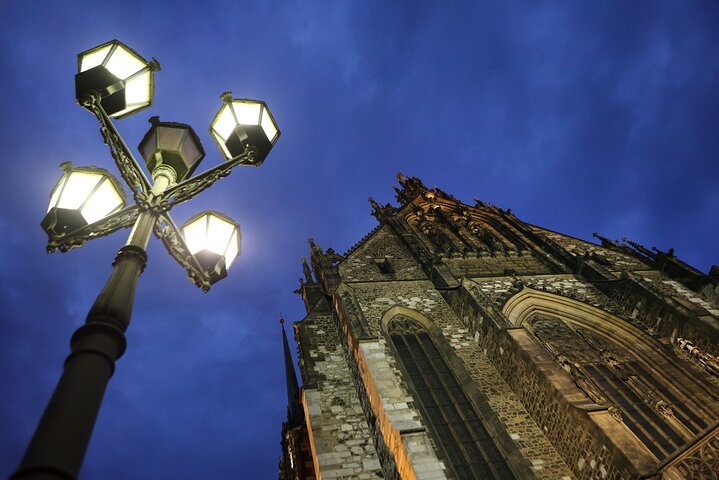
September harvest means burčák stands on every corner, golden light on the cathedral spires, and cellar tours in the Moravian Karst, arguably the city's sweet spot. October cools to the mid-teens and prices crater again. Good for cycling the wine trails south. November through March hovers just above freezing with gray skies and cheap rooms.
But the Christmas markets on Svoboda square serve honeyed mead that steams in the cold. April's unpredictable, sunshine one day, cool rain the next. But Easter markets sell the year's first asparagus and hotel deals still linger. Budget travelers should target the shoulder months or early spring. Luxury seekers get quieter Tugendhat tours in deep winter. Avoid early January when half the restaurants close for post-holiday hibernation.
Frequently Asked Questions
What Is Brno, and Why Should I Visit It?
Brno is Czech Republic's second-largest city, 200 kilometers southeast of Prague. It's known for Villa Tugendhat (a UNESCO-listed modernist masterpiece), Spilberk Castle, and the Gothic Cathedral of St. Peter and Paul. The city costs 30, 40% less than Prague and has a relaxed, local atmosphere without the tourist overlay, if you have time in Czechia, it deserves its own visit rather than just a day trip.
How Do I Get from Prague to Brno?
Direct trains run 2.5, 3 hours for €10, 20 depending on class and timing. Buses are cheaper (€5, 8) but take about 3.5 hours; if you're renting a car, the D1 highway gets you there in roughly 2.5 hours. Trains are the most practical, they depart frequently, drop you in the city center, and let you sleep through the journey.
When Is the Best Time to Visit Brno?
May through early September offers the best weather, with daytime temperatures around 18, 25°C (64, 77°F), and outdoor cafés throughout the old town are in full swing. The city draws far fewer tourists than Prague during these months, so you can move freely without crowds. Winter is cold (−1 to 3°C) and quiet; April and October bring rain but lower prices.
How Many Days Should I Spend in Brno?
Two to three days lets you see the city properly without rushing. A single day covers Villa Tugendhat, Spilberk Castle, and the old town if you move fast; a second day adds the Cathedral, the Jewish quarter, and time for meals and wine bars. If you're using Brno as a base to explore Moravian wine villages or heading toward Slovakia, three days is ideal.
Where Should I Stay in Brno?
The Old Town (Staré Město) puts you steps from the main square and Cathedral; expect €50, 100 per night for mid-range hotels. Husova, just east, has cheaper guesthouses (€30, 60) and a local character. The university district south of the center has quality hostels under €15, while Kopečná northwest offers trendy cafés and quieter accommodations, all within easy walking or tram distance of the sights.
What Makes Villa Tugendhat Worth Visiting?
Villa Tugendhat is a 1930 modernist masterpiece designed by Ludwig Mies van der Rohe, one of Europe's most important 20th-century buildings and now UNESCO-listed. The radical open-plan interior and floor-to-ceiling glass look forward-thinking even today. Tours (€9, 12, book online) take about an hour. The villa sits on a slope just a 15-minute walk south of the old town.
What Food and Wine Should I Try in Brno?
Brno sits in Moravia, so seek out svíčková (marinated beef with cream sauce), goulash, and trdelník (fried pastry with cinnamon sugar) at local restaurants. The region produces excellent white wines, Veltlínské zelené and Ryzlink vlašský are standouts, sold in wine bars (vinárny) for €6, 15 a glass or €5, 20 per bottle to take home. A proper breakfast is espresso and a fresh pastry at a neighborhood café.
Is Brno Expensive Compared to Prague?
No, Brno is notably cheaper. Mid-range hotel rooms run €50, 100 per night versus €80, 150 in Prague; a meal with a beer costs €8, 15 at local restaurants. Major sights (Villa Tugendhat €9, 12, Spilberk €4, 6) are half Prague's price. Budget €50, 80 per person per day for a comfortable visit, versus €100+ in Prague.
How Do I Explore Spilberk Castle?
The fortress overlooks the old town, a 15-minute uphill walk from the main square. Entry costs €4, 6; walking the ramparts for city views takes 30, 45 minutes. The interior museum (Brno City Museum, open daily) adds another hour if you want the full local history. Most visitors hit the ramparts, grab a coffee at the fortress café, and call it a morning.
Is Public Transportation Easy in Brno?
Yes, trams and buses are clean, frequent, and easy to navigate. Single tickets cost €1, 2 for 30, 60 minutes of travel; a day pass is €4, 6. The old town is entirely walkable, and the tram network efficiently connects Spilberk, the train station, and the university district. Stops are clearly labeled in English, though announcements are in Czech only.
What Should I Do in Brno If the Weather Is Bad?
Visit the Moravian Gallery (€0, 8, depending on exhibitions), which shows Central European modern art and design. The Mendel Museum (€3, 4) explores genetics and Moravian heritage in a compact, engaging way. Spend an afternoon lingering in a wine bar or café with a local wine and pastry, these are designed for settling in, or browse the covered shopping arcades near the train station.
More Ways to Experience Brno
Tours, day trips, and local experiences curated by on-the-ground operators.
Didn't see anything interesting yet?
Browse Viator's full catalog of tours, day trips, food experiences, and private guides in Brno.
See All Brno Tours on Viator