
Things to Do in Brno in March
March weather, activities, events & insider tips
Low Season · Budget Friendly
March Weather in Brno
Long-run averages for March
49°F (9°C)
High Temp
33°F (0°C)
Low Temp
1.2 inches (30 mm)
Rainfall
73%
Humidity
6
Rainy Days
3
Sunny-Day UV
⚠ Late-season snowfall is possible in the first half of March. It typically arrives as wet, heavy snow that makes Brno's cobblestone streets and hillside paths slippery. The climb to Spilberk Castle becomes treacherous after fresh snow or an overnight freeze. The city's clearing crews prioritize vehicle roads over pedestrian paths. Wear boots with real grip. Allow extra time on hilly routes.
Is March Right for You?
Weigh the advantages and considerations before booking
Advantages
- + Easter lands on March 28 in 2027. Brno's Easter markets on Zelny trh run for much of the second half of the month. You get low-season pricing plus a genuine cultural event. Most visitors associate this with April.
- + Major indoor attractions sit nearly empty in March. Villa Tugendhat, the 10-Z nuclear bunker, and the Moravian Gallery welcome sparse crowds. Photograph the onyx wall without a stranger's elbow in frame. Guided tours move at a pace that lets you absorb what you're seeing.
- + Accommodation prices in March sit well below Brno's summer rates. They run significantly below Prague prices for comparable quality. The city rewards travelers who plan around value. Sunshine comes later.
- + The Moravian wine cellars south of Brno operate year-round. March feels most intimate. Summer tour groups stay away. Tastings in the underground vaults run unhurried and personal. Winemakers handle them directly. No hired staff.
Considerations
- − Outdoor time faces real limits. Morning temperatures hover near freezing. Midday peaks rarely climb above 9°C (49°F). Wind between Brno's buildings amplifies the chill. Exposed hilltops like Petrov and Spilberk hit harder.
- − The Punkva Caves and Macocha Abyss rank as South Moravia's most dramatic natural attraction. Boat tours don't open until April. Arriving in March means finding the ticket office shuttered. More visitors than you'd expect get caught out.
- − Daylight stays short in early March. Sunset hits around 5:45 PM. The window for outdoor sightseeing narrows. By month's end the days stretch noticeably. The first two weeks still feel like winter.
Best Activities in March
Top things to do during your visit
March hits Brno with that particular tension of a Central European city caught between seasons. The Svratka river still runs slate-grey and cold. Mornings along Zelný trh bring frost on the cobblestones that doesn't clear until mid-morning, when temperatures push toward an average high near 9°C. By afternoon the sky can crack open into pale, watery blue. The sandstone facades along Masarykova street catch enough warmth to release a faint mineral smell from old plaster. The bare lindens in Lužánky Park still look skeletal, deep winter style. But their buds are swelling. The ground beneath them softens into that earthy dampness that marks the thaw. Rainfall stays modest, around 30 millimetres for the month. It arrives in brief grey curtains rather than all-day downpours. This is Brno before the tourist circuits spin up. The city belongs almost entirely to locals. Café culture moves indoors. The wood-panelled rooms of Kavárna Era fill with ceramic cups clattering and the low murmur of Czech conversation. The warm yeast-and-sugar scent of trdelník drifts from bakery windows along Česká street. University students crowd the tram stops in early dark. Brno's restaurant scene runs at full local tilt, uncompressed by summer visitors. The Moravian capital's identity as the Czech Republic's second city sits more comfortably in March. There's no competition for attention. The architecture, the food, and the underground history all present themselves without performance. If you're wondering whether Brno is safe to wander freely, it is. The city consistently ranks among the safest in Central Europe. The emptier March streets only make navigation easier. For those planning where to eat in Brno, the neighbourhood around Veveří street rewards an unhurried walk. Small bistros serve svíčková with dense, cream-thickened sauce ladled over bread dumplings. You can taste the difference a good kitchen makes with this Moravian staple. Brno's nightlife concentrates around the Stará Brno quarter and the streets south of Náměstí Svobody. The cellar bars keep their doors open year-round. Stone walls sweat faintly in the warmth of packed rooms.

Skip the Line: 10-Z Bunker Entrance Ticket in Brno
skip_lineThe 10-Z Bunker sits beneath Špilberk Hill. It is a Cold War nuclear shelter built in the 1950s, sealed from public knowledge for decades. Descending the concrete stairs, you cross into a claustrophobic world of steel blast doors, yellowed ventilation gauges, and narrow corridors lit by bare fluorescent tubes that hum at a frequency you feel in your teeth. The air underground holds permanent cool dampness, around 14°C regardless of season above. A faint metallic tang of rusted infrastructure hangs in every room. With a skip-the-line ticket, you bypass the single-entry bottleneck that forms at the shelter's one public entrance. You move directly into the decontamination chamber. The rubber seals on the original gas masks have cracked but remain mounted on the wall exactly as they were left.
One of the few publicly accessible nuclear bunkers in Central Europe where the original Cold War infrastructure remains intact and unpolished, not curated into a theme park but left with its institutional dread undisturbed.
Insider tip: Go early on a weekday morning, ideally just after opening, when you are likely to have entire sections of the bunker to yourself and can stand in the command room in genuine silence, hearing only the drip of condensation against the concrete floor.

Brno Food Tasting Tour of Hidden Gems for Small Groups
foodThe Brno Food Tasting Tour threads through the old centre's lesser-known courtyards and side streets, stopping at places that do not advertise to passersby. A local guide walks small groups through a sequence of Moravian and broader Czech flavours: smoked meats with the deep, resinous char of beechwood, pickled cheese steeped in oil and paprika until it turns creamy and sharp, and fresh bread still warm enough that the crust crackles audibly when torn. In March, the kitchens lean into heavier preparations, soups thickened with root vegetables and stews built on dark beer from Brno's own microbreweries, and you eat shoulder to shoulder with regulars in rooms where the wooden tables carry decades of knife marks. This tour answers the question of where to eat in Brno not with a list but with direct experience, putting food in your hands in places you would walk past without a guide.
A curated sequence of Moravian flavours in settings chosen by someone who eats there, which in a city with Brno's depth of local food culture means places that never appear on the English-language radar.
Insider tip: Eat lightly beforehand, or better, skip breakfast entirely. The portions across the stops are generous, and the tour works best when you arrive hungry enough to appreciate each course on its own terms.

3 Hour Private Tour with a Local Guide in Brno
private_tourA three-hour private tour with a local guide reshapes Brno from a place you are passing through into a place you begin to understand. The route flexes to your interests, but a good guide will take you through the passages beneath the Cabbage Market, where the vaulted brick ceilings echo with your footsteps and the cool underground air smells of damp stone and old wood. Above ground, they decode the Astronomical Clock on Náměstí Svobody, a polarising slab of black granite that locals either defend or mock, and explain why a stuffed crocodile hangs in the Old Town Hall entrance, the answer to one of Brno's most-asked questions about the city's symbol. In March, the unhurried pace of the city works in your favour: the guide can linger at a viewpoint on Petrov Hill, where the cathedral's twin spires frame a panorama of terracotta rooftops under the grey March sky, without jostling for space.
The private format means the guide calibrates to what you want to know, and in a city as layered as Brno, that flexibility is the difference between sightseeing and genuine comprehension.
Insider tip: Ask your guide to include a stop at one of the Moravian wine bars tucked into the basements along Orlí street. Brno sits at the edge of the Czech Republic's only serious wine region, and a glass of Grüner Veltliner or Pálava in a stone cellar is the fastest shortcut to understanding the city's relationship with the surrounding countryside.
This month: March's thinner foot traffic means fewer interruptions and more time at each stop, a practical advantage for a walking tour.

Trip to the Austerlitz Battlefield near BRNO in the Czech Republic
otherThe battlefield at Slavkov u Brna, known internationally as Austerlitz, lies roughly twenty kilometres east of Brno across flat Moravian farmland that in March is still brown and frost-hardened under wide skies. This is the ground where Napoleon defeated the combined Austrian and Russian armies in December 1805, and the landscape has been left largely unbuilt, so the tactical logic of the battle remains legible in the terrain itself: the Santon hill where French artillery anchored the northern flank, the frozen Satčany ponds where retreating soldiers drowned, the Pratzen Heights where the decisive charge broke the allied centre. The Cairn of Peace memorial stands on the heights, a domed Art Nouveau structure visible across the plain, and the small museum inside holds uniforms, weapons, and maps that smell of old paper and varnish. In March, the bare fields strip the landscape to its bones, and the wind crossing the plateau carries a sharp, clean cold that makes the scale of the engagement feel immediate rather than historical.
One of the most consequential battlefields in European history, preserved in a landscape open enough that you can trace the movements of three armies across the ground where they fought.
Insider tip: Visit the battlefield before the museum, not after. Walking the terrain first, feeling the distance between the hills and the exposure of the low ground, gives the maps and artefacts inside the Cairn of Peace a physical context that reverses the usual museum-then-site order.
This month: The open farmland at Austerlitz carries no shelter from wind, and March temperatures hover near freezing in the morning. Dress for sustained outdoor exposure and bring a warm layer even if the afternoon forecast looks mild.
Where to Stay in Brno in March
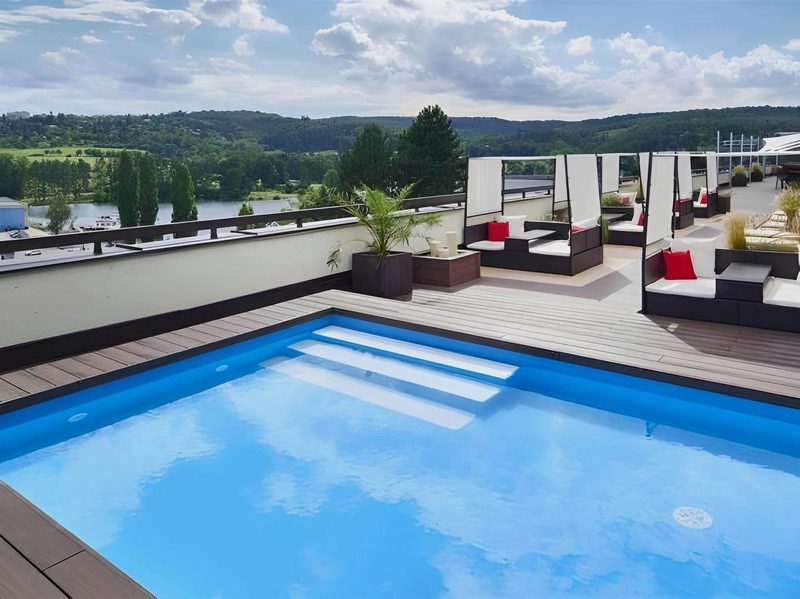
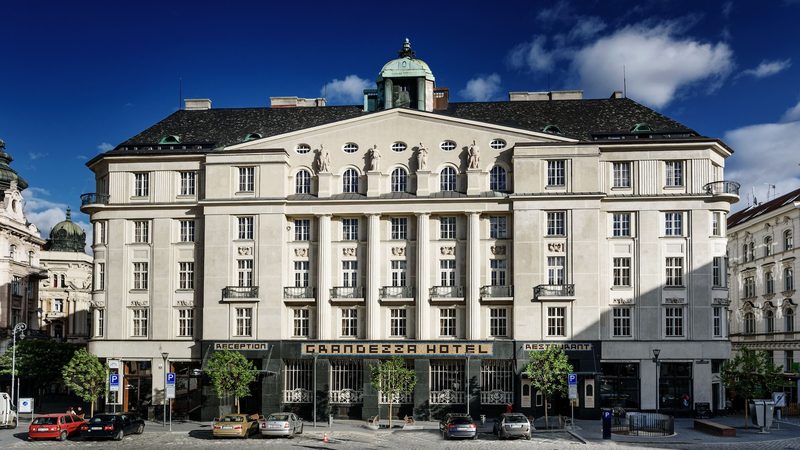
Hand-picked hotels across price tiers for March travellers.
Public Holidays in March
Dates that affect opening hours, transport and crowds
Velký pátek
Known in English as Good Friday. Observed nationwide as a public holiday.
Velikonoční pondělí
Known in English as Easter Monday. Observed nationwide as a public holiday.
Packing Checklist
Bookmark this page — your progress is saved between visits
Need the full list with shopping links?
Climate-specific gear, brand recommendations, and what to leave at home.
View Brno Packing List →Essential Tips
Insider knowledge and common pitfalls to avoid
Insider Knowledge
Brno's astronomical clock on namesti Svobody drops a small glass marble at 11 AM each day from one of four openings. Locals find the whole thing endearingly absurd. The clock's polished granite design makes it nearly impossible to read the actual time. Catching the marble is considered lucky. A small crowd gathers daily. Position yourself near the base with cupped hands. Watch which slot the previous day's marble fell from, though the pattern is supposedly random.
For Brno's nightlife, skip the tourist-facing bars on the main square. Head to the streets around Jakubske namesti instead. Brno is a university city with over 80,000 students. The bar and club scene reflects that: unpretentious, affordable, and open late even on weeknights. The energy on a Thursday or Friday night, even in March, surprises visitors. They expected a quiet provincial city. The area around Stara Pekarna, a converted bakery turned cultural center, tends to draw the most interesting crowd.
The Cathedral of Saints Peter and Paul on Petrov Hill rings its noon bells at 11 AM. This tradition traces back to the Thirty Years' War. Local legend claims the early bell tricked Swedish besiegers. They believed their midday deadline to take the city had passed. Their retreat followed. Whether the story is historically accurate or not, Brno has kept the custom for nearly four centuries. It catches visitors off guard when the bells toll a full hour early.
Brno to Vienna is roughly 130 km (81 miles) by direct train. The journey takes under two hours. If you're building a Central European itinerary, using Brno as a base and day-tripping to Vienna saves substantially on accommodation. You get a different city to return to each evening. The train ride through the Moravian lowlands is worth the window seat. Clear March mornings are best. Frost still sits on the fields.
Avoid These Mistakes
Avoid treating Brno as a day trip from Prague. The train takes around two and a half hours each way. Visitors who arrive at noon and leave by evening see the castle, the cathedral, and nothing that makes Brno distinctive. They miss the wine culture. They miss the functionalist architecture trail that extends well beyond Tugendhat. They miss the nightlife driven by one of Central Europe's densest student populations. They miss the residential neighborhoods south of the center where the city reveals its real character. Two full days is the minimum to do it properly.
Don't arrive expecting to tour the Punkva Caves and Macocha Abyss. The underground boat ride through the Moravian Karst is South Moravia's most spectacular natural excursion. The season doesn't begin until April. Several visitors each March make the drive to the Moravian Karst only to find the cave complex closed. If the caves are your primary motivation, push your trip to late April or later.
Avoid packing only for cold and neglecting sun protection entirely. March in Brno averages a UV index of 3, which is low. Clear days on the exposed Austerlitz battlefield or along the ridge above Brno can produce unexpected sunburn. Light reflects off patches of lingering snow. A small tube of sunscreen and sunglasses weigh nothing. They prevent a sore face on what otherwise feels like a winter trip.
Ready to plan your trip to Brno?
Now that you've got the research covered, here's where to go next.
Explore More Activities in Brno
Didn't see anything interesting yet?
Browse Viator's full catalog of tours, day trips, food experiences, and private guides in Brno.
See All Brno Tours on Viator