
Things to Do in Brno in April
April weather, activities, events & insider tips
Low Season · Budget Friendly
April Weather in Brno
Long-run averages for April
60°F (16°C)
High Temp
41°F (5°C)
Low Temp
1.1 inches (28 mm)
Rainfall
67%
Humidity
6
Rainy Days
5
Sunny-Day UV
⚠ April temperatures can drop sharply after sunset, falling from a comfortable 16 degrees C (60 degrees F) in the afternoon to near 5 degrees C (41 degrees F) within a couple of hours. Early April occasionally sees overnight frost, in the first week, so plan evening outings with real layers rather than the light clothing the daytime might suggest.
Is April Right for You?
Weigh the advantages and considerations before booking
Advantages
- + April is one of Brno's driest months, with only 28 mm (1.1 inches) of rainfall compared to the 58-71 mm (2.3-2.8 inches) that hammers the city from May through July. You can walk the cobblestoned hills between Zelny trh and Petrov cathedral for hours without dodging downpours, and the six or so rainy days tend to deliver brief morning drizzle rather than the all-day soakings that derail summer plans.
- + The Moravian Karst cave system, Pernstejn Castle, and other seasonal attractions open their doors in April after the winter shutdown, which means you're among the first visitors of the year. Tour groups are a fraction of their July size, and operators are fresh and unhurried. The Punkva underground river runs higher from snowmelt, making the boat ride through the cave system more dramatic than it is later in the season.
- + Daytime highs around 16 degrees C (60 degrees F) hit the sweet spot for a city built on hills: warm enough to enjoy the ramparts of Spilberk Castle without shivering, cool enough to walk the uphill stretches to Villa Tugendhat without arriving drenched in sweat. Locals start appearing in the parks and on cafe terraces, and the chestnut trees lining Denis Gardens are just unfurling their first leaves.
- + Brno runs significantly cheaper than Prague year-round, and April's shoulder-season status pushes accommodation and dining costs even lower. The same quality of Moravian cuisine and wine you would pay a premium for in the capital costs noticeably less here, and availability for lodging that would require weeks of advance booking in summer often opens up with just a few days' notice in April.
Considerations
- − Evenings drop to around 5 degrees C (41 degrees F), and the temperature swing between a sunny 16-degree afternoon and a raw after-dark walk along the Svratka River catches first-time visitors off guard. Outdoor terrace dining, one of Brno's great summer pleasures, is limited to afternoons or requires a serious warm layer once the sun drops behind Spilberk hill.
- − Some seasonal attractions, castles and outdoor heritage sites, open on reduced schedules in early April or wait until mid-month to start regular hours. Pernstejn Castle and certain vineyard tours may not be fully operational in the first week, which can frustrate travelers on tight itineraries who arrive before the season has properly kicked in.
- − The full green canopy that makes Brno's parks and the South Moravian countryside so photogenic does not arrive until May. April's trees are budding and the hillsides are waking up. But if you are after lush landscapes for photography or the shade those mature leaves provide on long walks, you will find April's scenery a step behind what the summer brochures promise.
Best Activities in April
Top things to do during your visit
Moravian Karst and Macocha Abyss Day Trip
April marks the moment the Moravian Karst cave system reopens after winter, and there is something about being among the first visitors of the season that sharpens the whole experience. The drive north from Brno takes about forty minutes through rolling countryside that is just starting to green up, the ploughed fields giving way to limestone bluffs draped in early wildflowers. The descent into the Punkva Caves drops the temperature to around 8 degrees C (46 degrees F) regardless of what is happening above ground, and that cool, mineral-tinged air hits you the moment you cross the threshold. The underground boat ride along the Punkva River, gliding through chambers where stalactites have been dripping into shape for hundreds of thousands of years, is unlike anything else in Central Europe. The water level tends to be higher in April from snowmelt, which makes the river passages more dramatic and the echo of dripping water louder against the vaulted stone. When you emerge at the base of the Macocha Abyss, a 138-metre (453-foot) sinkhole with sheer limestone walls streaked green with moss and fern, the scale of it catches you off guard even if you have seen photographs. The viewing platform at the rim has a straight-down look that makes your stomach lurch. April's advantage is clear: the caves are open, the tour groups have not yet swollen to summer proportions, and the surrounding forest smells of damp earth and beech sap rather than the dust of high season.
Booking Tip: The seasonal opening means April slots fill faster than you might expect for a shoulder-month attraction. Booking at least two weeks ahead through licensed tour operators is a good idea, and morning departures tend to run smoother before the afternoon wave arrives. Half-day tours from Brno are the most practical format. See the booking section below for current availability and guided options that include transport.
Austerlitz Battlefield and Cairn of Peace
The fields where Napoleon defeated the combined Austrian and Russian armies in December 1805 lie about 20 km (12.4 miles) east of Brno, and in April they are covered in young wheat and early wildflowers rather than the mud or frozen ruts that defined the actual battle. The Cairn of Peace memorial on Pratecky kopec hill is a stark, domed monument surrounded by mass graves, and the silence up there, broken only by wind and skylarks overhead, makes the scale of what happened feel more immediate than any museum display could manage. The adjacent memorial museum walks through the battle with period maps, military artifacts, and tactical models, and the views from the hilltop across the Moravian lowlands explain in an instant why Napoleon chose this ground. You can feel the openness of the terrain, the way the rolling hills channel movement, and it becomes obvious that this was a landscape designed for cavalry and artillery. April's mild weather makes the full walking tour of the battlefield sites comfortable, something that is unpleasant in the winter cold that defined the original engagement or the summer heat that can push past 30 degrees C (86 degrees F) across these exposed, shade-free fields.
Booking Tip: Guided battlefield tours with military historians add a layer of tactical context that self-guided visits miss, for understanding troop movements across terrain you are physically standing on. Book about a week ahead. The site is open and exposed with almost no shade, so even in April's moderate temperatures a windbreaker earns its place in your daypack. Check the booking section below for current guided options departing from Brno.
Brno Old Town Walking and Underground Exploration
Brno's centre is compact enough to walk in a morning but layered enough to reward days of exploration, and April's cool, dry air makes it good for hours on cobblestones without overheating. Start at Zelny trh, the Cabbage Market that has occupied the same sloping square since the thirteenth century, where Saturday morning vendors sell Moravian cheeses with waxy rinds, dark forest honey, and homemade sausages under the baroque Parnas Fountain. The smell of fresh bread and wood smoke drifts across the square before 9 AM. From there it is a five-minute walk uphill to the Cathedral of Saints Peter and Paul on Petrov hill, whose twin spires are the city's most recognizable silhouette against the April sky. Below street level is where Brno gets surprising. The Brno Ossuary holds the remains of over fifty thousand people in vaulted chambers discovered only in 2001, making it the second-largest ossuary in Europe after the Paris Catacombs. The air down there is cool and still, smelling of old stone and something faintly mineral that you cannot quite place. Across the centre, the 10-Z bunker beneath Spilberk hill is a Cold War nuclear shelter preserved with its original ventilation systems, decontamination showers, and bunk-lined corridors that still feel claustrophobic decades after their intended purpose expired. The fluorescent lights hum, and the concrete walls radiate a persistent chill that no amount of surface warmth penetrates. Above ground, pause at the Old Town Hall passage to inspect the infamous Brno dragon, a seventeenth-century crocodile suspended from the ceiling, and the crooked wheel beside it, both wrapped in local legends that the guides tell with obvious relish.
Booking Tip: The ossuary and 10-Z bunker both operate on timed entry, and April's manageable visitor numbers mean same-day tickets are usually available midweek, though weekends can tighten up. Walking tours that combine above-ground landmarks with underground sites are the most efficient way to cover both layers of the city in a single outing. See the booking section below for current walking tour options and underground entry packages.
Villa Tugendhat Architectural Tour
Mies van der Rohe's Villa Tugendhat, completed in 1930 and recognized as a UNESCO World Heritage Site, is one of the most important residential buildings of the twentieth century, and visiting it in April means you get how spring light through those floor-to-ceiling glass walls that the architect specifically designed for. The onyx wall in the main living space glows amber when afternoon sun catches it at the right angle, and the open-plan interior, revolutionary when it was built, still feels radical almost a hundred years later. You feel this building physically, not just intellectually: the proportions of the rooms, the warmth of the macassar ebony panelling against cool chrome columns, the way your footsteps sound different on linoleum versus travertine stone. The garden terraces look out across Brno's Cerna Pole neighbourhood toward the Spilberk fortress silhouette, and in April the grounds are coming alive with early growth. The building's mechanical innovations, including windows that retract into the floor to merge indoor and outdoor space entirely, make visceral sense in April's mild air. Stand in the main room with those windows lowered and the garden breeze carrying the scent of fresh grass inside, and you understand what Mies meant by dissolving the boundary between architecture and landscape.
Booking Tip: Villa Tugendhat limits daily visitors strictly, and the complete interior tour, which is the one worth taking, books out weeks in advance even in shoulder months like April. Reserve at least three to four weeks ahead through the villa's own booking system. Shorter exterior-only tours are easier to secure but miss the essential experience of the interior spaces. This is one case where advance planning is non-negotiable, and showing up without a reservation will almost certainly mean disappointment.
South Moravian Wine Country Day Trip
Moravia produces the vast majority of Czech wine, and the rolling countryside south of Brno, around the town of Mikulov and the limestone ridges of the Palava Hills, is where the best of it comes from. April is when the vineyards start budding, the hillsides are covered in wild garlic and early wildflowers, and the wine cellars carved into the rock beneath villages like Valtice are open for tastings without the harvest-season crowds that pack them from September onward. The Valtice-Lednice Cultural Landscape is a UNESCO site in its own right, pairing Baroque chateaux with formal gardens and parkland that stretches for kilometres along the Dyje River. In April you can walk the paths between Lednice Castle and the Apollo Temple folly without queuing or competing for photographs. The white wines here tend toward a crisp minerality, Gruner Veltliner and Welschriesling, that reflects the limestone and loess soils, and tasting them in the cellars where they were made, surrounded by the cool damp smell of old stone and oak, is a sensory experience that a wine bar back home simply cannot replicate. The drive from Brno takes about forty minutes in each direction, passing through a landscape of gentle hills, fish ponds, and villages where the wine press houses, painted white with blue trim in the Moravian folk style, line the streets like an open-air museum.
Booking Tip: Small-group wine tours from Brno organise transport and cellar appointments. This is the practical option unless your group has a designated driver. Book about a week ahead. April is quiet enough that most cellars welcome walk-ins on weekdays. Weekend tastings at the better-known estates can fill up. See the booking section below for current day-trip options.
Pernstejn Castle Day Trip
Pernstejn sits about an hour northwest of Brno. It looks like it grew from the rock rather than being built on it. The gothic fortress has perched above the Svratka River valley since the thirteenth century. Additions layered on over five hundred years never lost its defensive character. The approach through mixed forest shines in spring. The beeches leaf out in pale green. The undergrowth thickens with wood anemones. The air carries damp bark and leaf mould. April opens the touring season. Early in the month you might have entire chambers to yourself. The creak of original floorboards. The cool smell of centuries-old timber. The interiors hold period furnishings. A Renaissance-era kitchen with blackened stone hearths. A chapel with faded frescoes. Guides illuminate room by room with a sense of occasion. Larger, busier castles cannot manage this. From the upper bastions the view drops steeply into the forested valley. On a clear April day you can see the ridgeline stretching north toward the Bohemian-Moravian Highlands. Combine this with the Moravian Karst. It lies roughly on the route between Brno and Pernstejn. This castle makes for a full and satisfying day trip. It covers two of the region's strongest draws.
Booking Tip: Pernstejn's seasonal opening sometimes begins in the first week of April. Sometimes it starts a bit later depending on the year. Confirm the opening date before building your itinerary around it. Guided tours inside the castle run on fixed schedules with limited group sizes. The trip pairs well with a morning at the Punkva Caves. You need transport or a combined day tour. See the booking section below for current options.
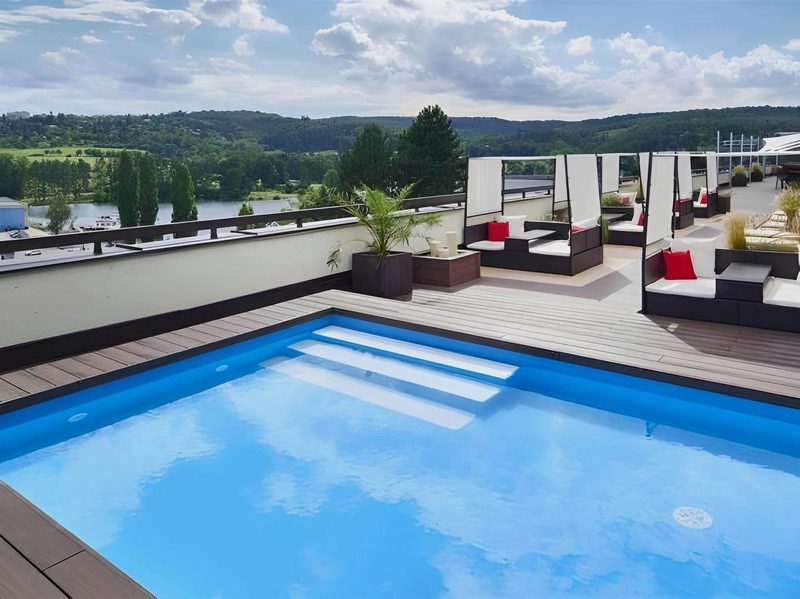
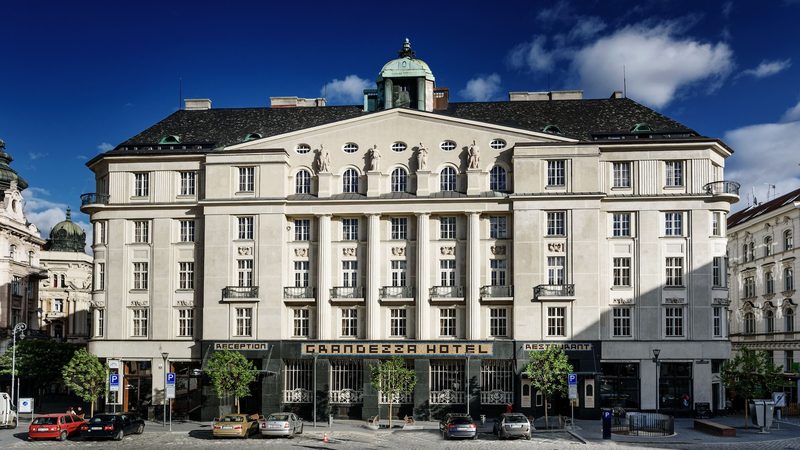
Where to Stay in Brno in April
Hand-picked hotels across price tiers for April travellers.
Public Holidays in April
Dates that affect opening hours, transport and crowds
Velký pátek
Known in English as Good Friday. Observed nationwide as a public holiday.
Velikonoční pondělí
Known in English as Easter Monday. Observed nationwide as a public holiday.
Packing Checklist
Bookmark this page — your progress is saved between visits
Need the full list with shopping links?
Climate-specific gear, brand recommendations, and what to leave at home.
View Brno Packing List →Essential Tips
Insider knowledge and common pitfalls to avoid
Insider Knowledge
The noon bell at the Cathedral of Saints Peter and Paul on Petrov hill rings at 11 AM, not noon, and has done so for centuries. During the Thirty Years War, when Swedish forces besieged Brno in 1645, their general reportedly vowed to withdraw if the city had not fallen by midday. The Brno bell-ringer, aware of the vow, rang the noon bell an hour early. The Swedes left. The city survived. They have kept the bell at eleven ever since, and now the locals barely notice. But visitors standing in Zelny trh checking their watches tend to look confused.
The Brno dragon hanging in the entrance passage of the Old Town Hall is a crocodile, likely a gift to the Moravian margraves sometime in the seventeenth century, though the legend insists it was a fearsome dragon that terrorised the city and was defeated by a cunning tanner using a poisoned ox hide. Locals lean into the story with obvious amusement. The crooked wagon wheel hanging beside it has its own tale involving a bet and a single day's carpentry, and together they form Brno's most photographed curiosities for good reason.
Brno's tram network is the real way to move around the city. The system is dense, reliable, runs late, and reaches every neighbourhood worth visiting. Buy a multi-day pass from a ticket machine at any major stop and treat the trams as your default transport rather than walking everything or paying for taxis. Tram number 1 connects the main train station through the centre to the university quarter and is probably the single most useful line for visitors.
Brno is remarkably safe for a European city of its size. The centre is well-lit and walkable at all hours, public transport runs until past midnight, and violent crime against visitors is essentially unheard of. Standard city awareness applies, and the occasional tram pickpocket risk exists. But you are far less exposed here than in Prague's tourist-dense zones. Late-night neighbourhoods around Jakubske namesti and the streets off Veveri, where students and locals fill wood-panelled beer halls pouring Starobrno lager and basement cocktail spots with minimal signage, feel lived-in and genuine rather than tourist-oriented.
Avoid These Mistakes
Treating Brno as a Prague day trip. The train takes under three hours each way, which tempts people into a rushed six-hour visit that covers the cathedral, the market square, and nothing else. Brno's best experiences, the Moravian Karst, the wine country, Villa Tugendhat, the underground layers, all require at least a half day each. Two to three nights is the minimum to do the city and its surroundings justice, and you will likely wish you had planned a fourth.
Not booking Villa Tugendhat far enough in advance. The interior tour accepts a limited number of visitors per day and books out weeks ahead, even in April when overall tourist numbers are low. Travelers who assume they can secure a slot on arrival or a few days beforehand almost always find it fully reserved. Three to four weeks of lead time is the safe window, and checking availability should be one of the first things you do when confirming your travel dates.
Packing only for the daytime high of 16 degrees C (60 degrees F) and underestimating how quickly the temperature drops. By sunset you are looking at single digits, and the underground attractions, caves, ossuary, nuclear bunker, all sit at 8 to 10 degrees C (46 to 50 degrees F) year-round. Travelers in lightweight summer clothes spend their evenings and underground visits uncomfortable, which undercuts the experience at exactly the places that deserve full attention.
Ready to plan your trip to Brno?
Now that you've got the research covered, here's where to go next.
Book Experiences in Brno
Top-rated things to do in Brno this April


Explore More Activities in Brno
Didn't see anything interesting yet?
Browse Viator's full catalog of tours, day trips, food experiences, and private guides in Brno.
See All Brno Tours on Viator